Oct . 06, 2024 08:41 Back to list
what does carbon monoxide come from
The Sources of Carbon Monoxide Understanding its Origins
Carbon monoxide (CO) is a colorless, odorless gas that poses significant health risks to humans and animals. Understanding the sources of carbon monoxide is crucial for reducing exposure and improving air quality. This article explores the various origins of carbon monoxide, highlighting both natural and anthropogenic (human-made) contributions.
Natural Sources of Carbon Monoxide
While carbon monoxide is often associated with human activity, it is also produced through natural processes. One of the primary natural sources of CO is wildfires. During a fire, organic materials are burned, releasing various gases, including carbon monoxide. According to the Environmental Protection Agency (EPA), wildfires can significantly contribute to atmospheric CO levels, especially in regions with frequent droughts and vegetation.
Another natural source is volcanic eruptions. Volcanoes emit various gases, including carbon dioxide and carbon monoxide, as part of their eruptive activity. The quantities of CO released can vary depending on the volcano's activity and the composition of the magma.
Lastly, carbon monoxide is generated in small amounts through the natural breakdown of organic matter in the environment. This includes processes in wetlands and other ecosystems where organic decay occurs, contributing to the presence of CO in the atmosphere.
Anthropogenic Sources of Carbon Monoxide
Human activities are responsible for the majority of carbon monoxide emissions. One of the most significant sources is the combustion of fossil fuels, which occurs in power plants, automobiles, and industrial facilities. When fuels such as gasoline or coal are burned, incomplete combustion can produce carbon monoxide as a byproduct.
Transportation is one of the largest contributors to CO emissions, particularly from heavy-duty vehicles and cars. Older vehicles are generally less efficient and can produce higher levels of CO due to incomplete fuel combustion. The increasing number of vehicles on the road, especially in urban areas, exacerbates the problem.
what does carbon monoxide come from
Domestic heating and cooking also contribute to carbon monoxide emissions, particularly in homes that use gas stoves, oil, or coal for heat. Poorly ventilated spaces can accumulate CO from these sources, increasing the risk of exposure to occupants.
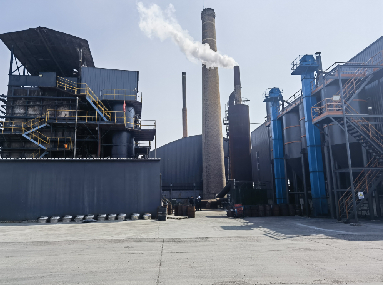
Industrial processes, such as steel manufacturing and the production of certain chemicals, release carbon monoxide into the atmosphere. In these settings, carbon monoxide can be a byproduct of various chemical reactions involved in production and processing.
Other Contributing Factors
In addition to these primary sources, certain environmental conditions can influence carbon monoxide levels. Weather patterns like temperature inversions can trap pollutants near the ground, causing elevated CO levels in specific areas. Urban environments, with their dense population and numerous vehicles, often experience higher concentrations of carbon monoxide, particularly in the winter months when heating systems are in use.
Health Implications and Precautions
The presence of carbon monoxide in the environment has serious health implications. CO binds with hemoglobin in the blood, reducing the blood's ability to carry oxygen and leading to symptoms such as headaches, dizziness, confusion, and in severe cases, death. Vulnerable populations, such as children, the elderly, and those with pre-existing health conditions, are particularly at risk.
To mitigate exposure to carbon monoxide, individuals can take several precautions. Installing carbon monoxide detectors in homes, ensuring proper ventilation while using gas appliances, and regularly maintaining heating systems can significantly reduce risks. Additionally, promoting the use of public transportation, electric vehicles, and cleaner energy sources can help decrease overall emissions of carbon monoxide in the environment.
Conclusion
Carbon monoxide is a pervasive gas with both natural and anthropogenic sources. Understanding its origins—from wildfires and volcanic eruptions to vehicle emissions and industrial processes—can help inform efforts to reduce exposure and improve air quality. By enhancing awareness and taking proactive measures, societies can work towards diminishing the health risks associated with carbon monoxide, ensuring a safer environment for all.
 German
  English
  Italian
  Japanese
  Korean
  Portuguese
  Russian
  Spanish
  Turkish
  Vietnamese