Feb . 15, 2025 12:26 Back to list
aluminum carbonate
Aluminum carbonate is not only a compound of interest for industry experts but also a subject that continues to fascinate chemists and materials scientists. With its unique properties and versatile applications, it warrants a deeper exploration into its uses, benefits, and the reason behind its growing demand.
Scientific research has also been delving into potential new applications, exploiting the compound's chemical properties. Studies are investigating its use as a precursor in developing advanced materials, such as catalysts and composites that require aluminum as a component. This research is indicative of aluminum carbonate’s expanding role beyond traditional uses, showcasing a potential for innovation in material science and engineering. One of the primary concerns with handling and utilizing aluminum carbonate is ensuring safety and compliance with environmental standards. The compound, while not classified as hazardous, requires careful handling due to its reactive nature when exposed to acids and bases. Companies that manufacture, transport, or use aluminum carbonate adhere to strict guidelines to mitigate any potential risks, underscoring their commitment to environmental responsibility and worker safety. Aluminum carbonate's market availability is primarily from chemical suppliers who provide it in varying grades and quantities, tailored to specific industrial needs. These suppliers ensure quality by adhering to internationally recognized standards, often supported by comprehensive documentation and certificates of analysis. Such practices further cement trust in the compound's reliability and effectiveness, making it a preferred choice for industrial and pharmaceutical applications alike. In conclusion, the ongoing exploration and application of aluminum carbonate are driven by its fundamental properties and versatility. From water purification and medical relief to innovative material applications, it continues to be an integral compound across diverse industries. As research progresses, aluminum carbonate's potential will likely inspire novel uses and solutions, reinforcing its status as a compound of both historical significance and future promise.
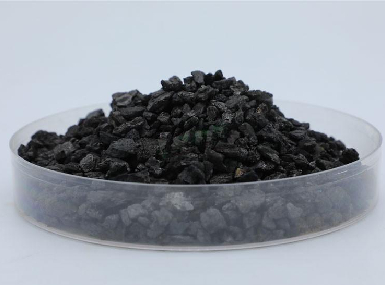

Scientific research has also been delving into potential new applications, exploiting the compound's chemical properties. Studies are investigating its use as a precursor in developing advanced materials, such as catalysts and composites that require aluminum as a component. This research is indicative of aluminum carbonate’s expanding role beyond traditional uses, showcasing a potential for innovation in material science and engineering. One of the primary concerns with handling and utilizing aluminum carbonate is ensuring safety and compliance with environmental standards. The compound, while not classified as hazardous, requires careful handling due to its reactive nature when exposed to acids and bases. Companies that manufacture, transport, or use aluminum carbonate adhere to strict guidelines to mitigate any potential risks, underscoring their commitment to environmental responsibility and worker safety. Aluminum carbonate's market availability is primarily from chemical suppliers who provide it in varying grades and quantities, tailored to specific industrial needs. These suppliers ensure quality by adhering to internationally recognized standards, often supported by comprehensive documentation and certificates of analysis. Such practices further cement trust in the compound's reliability and effectiveness, making it a preferred choice for industrial and pharmaceutical applications alike. In conclusion, the ongoing exploration and application of aluminum carbonate are driven by its fundamental properties and versatility. From water purification and medical relief to innovative material applications, it continues to be an integral compound across diverse industries. As research progresses, aluminum carbonate's potential will likely inspire novel uses and solutions, reinforcing its status as a compound of both historical significance and future promise.
Next:
Latest news
 Spanish
  English
  German
  Italian
  Japanese
  Korean
  Portuguese
  Russian
  Turkish
  Vietnamese