Feb . 14, 2025 18:36 Back to list
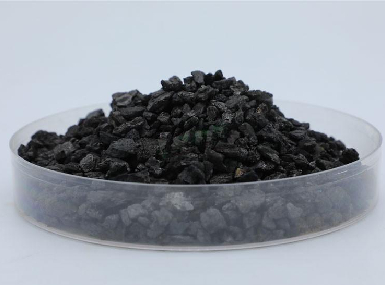
Granular Coal
Carbon dating, or radiocarbon dating, has long been regarded as a pivotal tool in archaeology and geology for determining the age of organic materials. Its accuracy, however, has often been a subject of discussion within scientific and academic circles. While carbon dating is instrumental in piecing together historical timelines, its effectiveness is nuanced, marked by strengths and limitations that both experts and amateur historians need to appreciate.
In terms of expertise, carbon dating has been revolutionized by advancements such as Accelerator Mass Spectrometry (AMS), which allows for the dating of much smaller samples with reduced error margins. This development demonstrates the cutting-edge nature of radiocarbon dating and reflects its adaptability and continuous improvement. Researchers now have the opportunity to analyze minute samples while minimizing destruction, preserving invaluable artifacts. To maintain the trustworthiness and authoritativeness of carbon dating, ongoing research and review processes are critical. Peer evaluation and publication within respected scientific journals ensure that dating techniques and conclusions drawn from them remain credible. Historical controversies, such as the dating of the Shroud of Turin or ancient manuscripts, highlight the importance of transparent methodologies and the need for consensus in the scientific community. Seasonal fluctuations, organic preservation conditions, and sample size are among factors that must be meticulously documented and validated against established benchmarks. While there are limitations to carbon dating, its precision, when performed under optimal conditions and supported by corroborative techniques, confirms its status as an essential tool in historical analysis. As we move forward, the refinement of these dating methodologies promises even greater accuracy. In this dynamic landscape, scientists and researchers are equipped not only with sophisticated instruments but also with an expanding archive of historical carbon data that improves every year. In the practical domain, understanding the intricacies of carbon dating can inform and guide the work of archaeologists, paleontologists, and historians alike. By recognizing its limitations and strengths, professionals can utilize carbon dating to its fullest potential, piecing together an ever-clearer picture of the past. Therefore, while questioning how accurate is carbon dating? one must consider the collaborative and evolving nature of science that continuously enhances its precision and expands its applicability in uncovering the chronicles of our world.

In terms of expertise, carbon dating has been revolutionized by advancements such as Accelerator Mass Spectrometry (AMS), which allows for the dating of much smaller samples with reduced error margins. This development demonstrates the cutting-edge nature of radiocarbon dating and reflects its adaptability and continuous improvement. Researchers now have the opportunity to analyze minute samples while minimizing destruction, preserving invaluable artifacts. To maintain the trustworthiness and authoritativeness of carbon dating, ongoing research and review processes are critical. Peer evaluation and publication within respected scientific journals ensure that dating techniques and conclusions drawn from them remain credible. Historical controversies, such as the dating of the Shroud of Turin or ancient manuscripts, highlight the importance of transparent methodologies and the need for consensus in the scientific community. Seasonal fluctuations, organic preservation conditions, and sample size are among factors that must be meticulously documented and validated against established benchmarks. While there are limitations to carbon dating, its precision, when performed under optimal conditions and supported by corroborative techniques, confirms its status as an essential tool in historical analysis. As we move forward, the refinement of these dating methodologies promises even greater accuracy. In this dynamic landscape, scientists and researchers are equipped not only with sophisticated instruments but also with an expanding archive of historical carbon data that improves every year. In the practical domain, understanding the intricacies of carbon dating can inform and guide the work of archaeologists, paleontologists, and historians alike. By recognizing its limitations and strengths, professionals can utilize carbon dating to its fullest potential, piecing together an ever-clearer picture of the past. Therefore, while questioning how accurate is carbon dating? one must consider the collaborative and evolving nature of science that continuously enhances its precision and expands its applicability in uncovering the chronicles of our world.
Next:
Latest news
 Spanish
  English
  German
  Italian
  Japanese
  Korean
  Portuguese
  Russian
  Turkish
  Vietnamese