-
Activated Carbon Filters
Activated carbon filters are generally employed in the process of removing organic compounds and/or extracting free chlorine from water, thereby making the water suitable for discharge or use in manufacturing processes. Eliminating organics in potable water, such as humic and fulvic acid, prevents chlorine in the water from chemically reacting with the acids and forming trihalomethanes, a class of known carcinogens.Read more -
Colloidal Activated Carbon (CAC) and Powdered Activated Carbon (PAC)
This video clip, taken from a REGENESIS’ R&D lab video, forms part of one of the early column studies that were undertaken to test PlumeStop’s ability to distribute in the subsurface.Read more -
Differences Between Granular and Powdered Activated Carbon
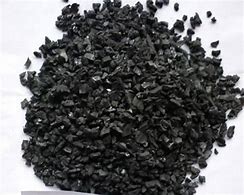
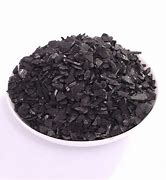
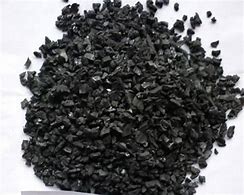
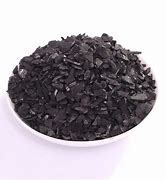
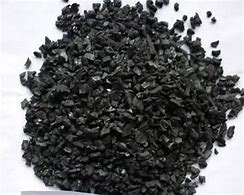
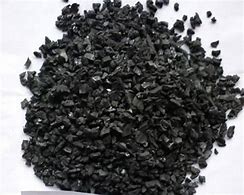
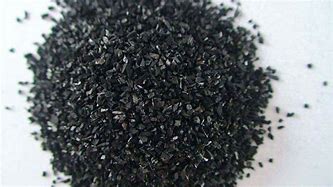
Activated carbon is a group of porous carbons produced through charring carbonaceous elements filled with dehydrating chemicals. It can also be described as purified activated carbon powder. Other names for this type of carbon include activated charcoal and active carbon. Its adsorption qualities make it the best for water purification processes.Read more -
Powder Activated Carbon Selection and Dosing
The process of adsorption MIB and Geosmin onto PAC takes time (> 1 hour). Therefore, maximizing the contact time between PAC and water is critical. PAC should be added and well mixed prior to presedimentation basins. Chemical tracer tests should be conducted on presedimentation basins to assure there is no short circuiting within the basins, thus maximizing contact time between the PAC and water.Read more -
Study on regeneration of waste powder activated carbon through pyrolysis
The regeneration of WPAC through pyrolysis and its adsorption capacity of phosphorus were studied. The optimum conditions for WPAC regeneration were 650 °C and 2 h which resulted in a recovery of BET surface and total pore volume with a value of 1161.4 m2/g and 1.2176 m3/g. WPAC had a maximum PO43−-P adsorption capacity of 9.65 mg/g which was 48.93% of PAC, while RWPAC had a maximum PO43−-P adsorption capacity of 15.31 mg/g which was 77.64% of PAC. The kinetic analysis revealed that Langmuir model could well describe the adsorption process of PAC, WPAC and RWPAC on PO43−-P and the PO43−-P adsorption followed the pseudo-second-order model.Read more -
what is activated carbon
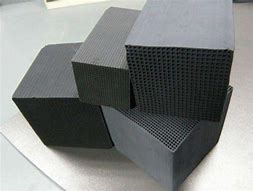
Activated carbon (also called activated charcoal, activated coal or active carbon) is a very useful adsorbent. Due to their high surface area, pore structure (micro, meso and macro), and high degree of surface reactivity, activated carbon can be used to purify, dechlorinate, deodorize and decolorize both liquid and vapor applications.Read more -
Powdered carbon dosing units in the Americas
The PORTA-PAC® is a clean, compact, and reliable bulk bag handling system designed to accurately dose Powdered Activated Carbon (PAC) in a dust-free manner.Read more -
Powdered activated carbon treatment
The aim of PAC dosage is to adsorb toxic substances or difficult to degrade material from wastewater, in order to allow the biological degradation process to take place without hinder, in changing influent compositions. The principle is based on adsorbing these components using activated carbon.Read more -
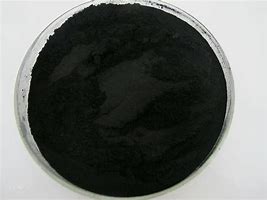
Powdered Activated Carbon
Datong Heneng activated carbon Co.,Ltd. have supplied many Powdered Activated Carbon preparation and dosing packages. Our preference is always to supply package as constant transfer and vary the PAC solution strength in proportion to the flow signal.Read more
 Italian
  English
  German
  Japanese
  Korean
  Portuguese
  Russian
  Spanish
  Turkish
  Vietnamese