Nov . 01, 2024 16:03 Back to list
Exploring the Impact of Carbon in Mexican Environmental Policies and Practices
The Role of Carbon in Mexican Agriculture A Sustainable Perspective
Carbon is a fundamental element that plays a crucial role in various ecosystems, and its relevance is particularly pronounced in the agricultural practices prevalent in Mexico. As the nation grapples with the challenges of climate change and food security, understanding the significance of carbon in agricultural systems becomes increasingly essential.
The Role of Carbon in Mexican Agriculture A Sustainable Perspective
However, the relationship between carbon and agriculture is multifaceted. While plants absorb CO2, agricultural practices can also release carbon back into the atmosphere. Traditional farming methods, including the use of chemical fertilizers, deforestation, and soil erosion, contribute to an increase in greenhouse gas emissions. This cycle highlights the need for sustainable practices to maintain a balance within the ecosystem.
carbon mexican
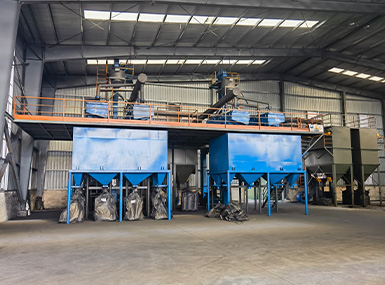
Promoting carbon sequestration—the process of capturing and storing atmospheric CO2—is crucial for mitigating climate change. In Mexico, numerous initiatives are focused on sustainable agricultural practices that enhance soil health and increase the carbon content in the soil. Techniques such as cover cropping, no-till farming, and agroforestry not only improve crop yields but also harness carbon, making the land more resilient in the face of climate challenges.
Additionally, carbon markets are emerging as an innovative way to incentivize sustainable farming practices. By participating in carbon trading, farmers can monetize their efforts to sequester carbon, providing them with an additional income stream while actively contributing to the fight against climate change. Various organizations and government programs in Mexico are working to facilitate this transition, equipping farmers with the knowledge and tools necessary to participate in these carbon markets.
Moreover, the impact of carbon on agriculture in Mexico extends beyond the environment. The livelihoods of millions of farmers depend on sustainable practices that ensure food security and economic stability. By focusing on carbon management, these farmers can protect their crops from climate extremes, ensuring consistent yields and thereby supporting local economies.
In conclusion, the role of carbon within the agricultural sector in Mexico is a compelling intersection of environmental science, economics, and community welfare. By adopting sustainable practices that emphasize carbon sequestration and embracing innovative financial mechanisms like carbon trading, Mexico can pave the way for a more sustainable agricultural future. This approach not only serves to enhance food security and protect ecosystems but also highlights the vital importance of carbon in fostering a resilient agricultural landscape amidst the challenges posed by climate change. Through collective action and commitment to sustainability, Mexican agriculture can thrive while playing a pivotal role in combating global climate challenges.
 Japanese
  English
  German
  Italian
  Korean
  Portuguese
  Russian
  Spanish
  Turkish
  Vietnamese