Oct . 12, 2024 07:54 Back to list
tipos de carbon
Types of Carbon Understanding the Forms and Their Applications
Carbon, one of the fundamental elements that shape our world, exists in various forms, each with distinct properties and applications. From the graphite in your pencil to the diamond on a ring, carbon's versatility is remarkable. This article explores the major types of carbon, highlighting their characteristics and uses to demonstrate the element's significance in our daily lives and industries.
1. Graphite
Graphite is perhaps the most well-known form of carbon, characterized by its layered, planar structure. Each layer consists of carbon atoms arranged in a hexagonal lattice, which allows for easy separation of the layers. This property gives graphite its lubricating qualities and makes it an excellent conductor of electricity.
Graphite is widely used in pencil lead, batteries, and as a lubricant in various mechanical applications. Due to its thermal stability, it is also utilized in high-temperature applications and as a component in refractory materials. Moreover, graphite is essential in the production of steel and in nuclear reactors, where it serves as a moderator to slow down neutrons.
2. Diamond
Diamonds are carbon atoms arranged in a three-dimensional tetrahedral lattice, which imparts exceptional hardness and brilliance. This structure makes diamonds the hardest known natural material, suitable for cutting, grinding, and drilling applications. Beyond their industrial uses, diamonds are also revered as gemstones in jewelry, symbolizing luxury and status.
The optical properties of diamonds make them prized in the field of optics and photonics. Synthetic diamonds are increasingly being used in high-performance electronics, laser technology, and even quantum computing due to their unique electronic properties.
3
. Amorphous Carbontipos de carbon
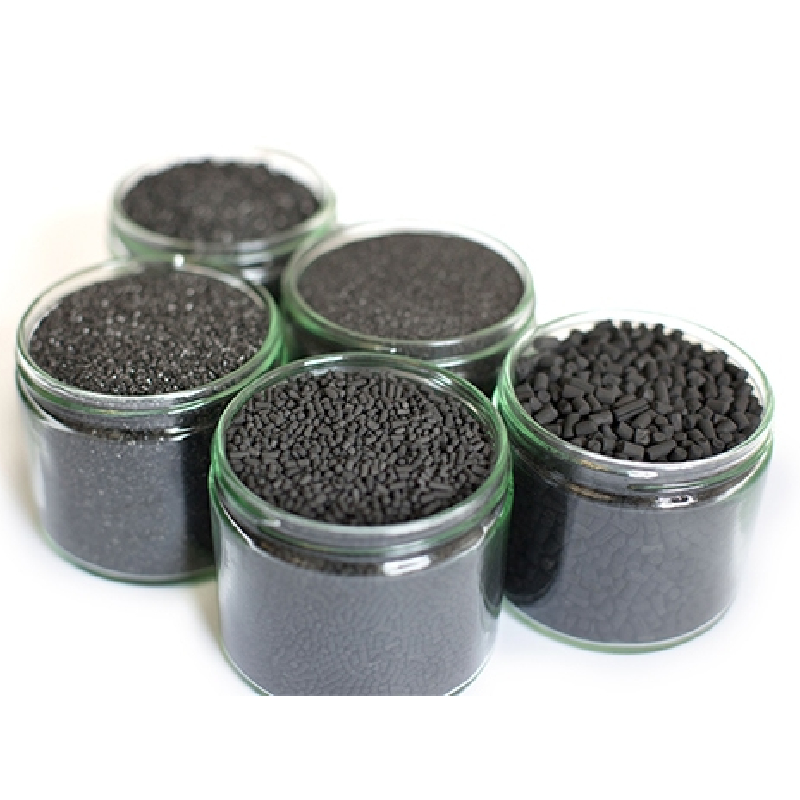
Amorphous carbon, unlike graphite and diamond, does not have a well-defined crystalline structure. It can be found in several forms, including soot, charcoal, and carbon black. The lack of a crystalline structure gives amorphous carbon its distinctive physical properties, such as a high surface area and variable porosity.
Amorphous carbon is widely used in various applications, including fuel sources (charcoal for grilling and heating), as a black pigment in inks and paints, and in the production of rubber and plastics. Furthermore, activated carbon, a form of amorphous carbon, is utilized extensively in filtration systems to purify air and water.
4. Carbon Nanotubes
Carbon nanotubes (CNTs) are cylindrical structures with unique properties, stemming from their molecular arrangement of carbon atoms. These structures are incredibly strong, lightweight, and exhibit remarkable electrical conductivity. Due to these characteristics, CNTs have gained significant attention in nanotechnology and materials science.
The applications of carbon nanotubes are vast, from enhancing the strength of composite materials to developing advanced batteries and supercapacitors. They are also being explored for use in drug delivery systems and for creating flexible electronics that could revolutionize devices and sensors.
5. Fullerenes
Fullerenes are another fascinating form of carbon, forming a hollow sphere or a tube-like structure. The most famous fullerene is C60, which resembles a soccer ball. Fullerenes exhibit unique chemical properties, making them potential candidates for drug delivery, solar energy conversion, and other advanced materials applications.
Conclusion
The diversity of carbon forms, from graphite to diamond and beyond, reflects the element's vital role in nature and technology. Understanding these types of carbon allows us to appreciate their unique properties and potential applications. As research continues to uncover new carbon allotropes and their uses, we can expect carbon to remain at the forefront of innovation in science and industry for years to come.
 Korean
  English
  German
  Italian
  Japanese
  Portuguese
  Russian
  Spanish
  Turkish
  Vietnamese