Oct . 01, 2024 23:41 Back to list
Effective Carbon Dust Filtration with Brita Filters for Cleaner Drinking Water
The Role of Carbon Dust in Brita Filters An Overview
Water filtration is essential for ensuring clean, safe drinking water, and many households rely on products like Brita filters to achieve this goal. Among the key materials used in Brita filters is activated carbon, a substance that plays a vital role in removing contaminants and improving the taste and odor of tap water. However, within the context of carbon-based filtration, the concept of carbon dust deserves attention. This article explores the significance of carbon dust in Brita filters, its effects on filtration efficiency, and the overall user experience.
Understanding Activated Carbon
Activated carbon, or activated charcoal, is carbon that's been processed to have small, low-volume pores that increase its surface area. This porous structure allows it to adsorb a wide range of impurities and contaminants, making it a popular choice in various filtration systems. Brita filters leverage this property to remove chlorine, sediment, volatile organic compounds (VOCs), and other undesirable elements from drinking water.
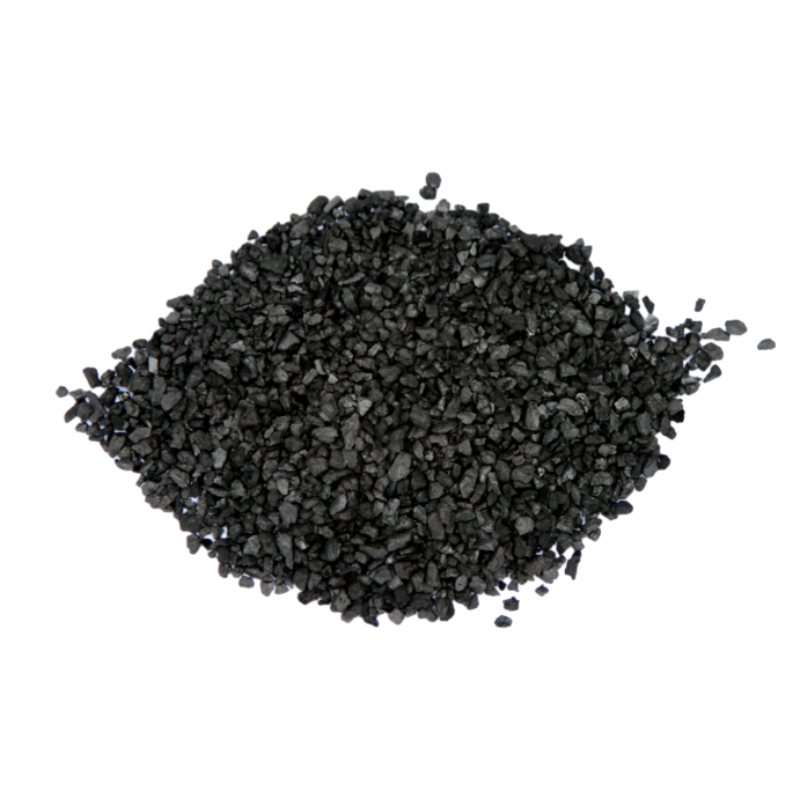
Carbon dust refers to the fine particles of activated carbon that can result from the manufacturing process or during the lifespan of a filter. While activated carbon is effective at purification, the presence of carbon dust can complicate its functionality.
The Impact of Carbon Dust
1. Filtration Efficiency One of the primary concerns regarding carbon dust in Brita filters is its potential impact on filtration efficiency. While activated carbon is designed to attract and bind to impurities in water, the finely divided carbon dust could potentially block pathways within the filter, reducing flow rates and efficiency. However, while this could theoretically degrade filtration, in practice, most Brita filters are designed to accommodate some level of carbon dust, ensuring that it does not significantly compromise performance.
carbon dust brita filter
2. Taste and Quality Carbon dust can sometimes affect the taste and quality of the filtered water. In some cases, excess carbon dust might lead to a gritty texture or a slightly altered flavor, detracting from the overall drinking experience. However, many users report that the advantages far outweigh these minor inconveniences, as the primary contaminants are effectively removed.
3. Maintenance and Longevity Filters containing carbon dust may require more frequent replacement. Accumulation of dust may lead to clogging or bacterial growth, diminishing the filter's lifespan and efficiency. To mitigate these issues, Brita recommends regular filter changes, typically every two months for standard filters, to maintain optimal performance.
User Experience and Considerations
Consumers are becoming increasingly conscious of the water quality and health implications of their drinking water. Brita filters, equipped with activated carbon, provide a practical solution for many families. However, customers should be informed about the nature of carbon dust and its implications. Despite the potential drawbacks, the overall effectiveness of Brita filters in improving water quality is well-documented.
When using a Brita filter, it’s crucial to follow manufacturer guidelines for installation, usage, and maintenance. Ensuring that the filter is properly primed before first use can significantly reduce the initial effects of carbon dust. Additionally, being mindful of water source and usage patterns can help improve filter longevity.
Conclusion
In summary, carbon dust plays an integral yet nuanced role in the performance of Brita filters. While it may have some negative implications, both in terms of filtration efficiency and user experience, the benefits of using activated carbon in water purification outweigh these concerns. For anyone seeking cleaner, better-tasting water, Brita filters remain a viable option, provided users are educated on proper usage and maintenance. Ultimately, understanding the interplay between activated carbon, carbon dust, and filter performance can lead to smarter choices in ensuring safe drinking water.
 English
  German
  Italian
  Japanese
  Korean
  Portuguese
  Russian
  Spanish
  Turkish
  Vietnamese