Oct . 20, 2024 12:52 Back to list
activated powdered carbon
The Versatile Applications of Activated Powdered Carbon
Activated powdered carbon, also known as activated carbon powder, is an increasingly popular material in various industries due to its remarkable ability to adsorb impurities and unwanted substances from gases and liquids. Its porous structure, high surface area, and chemical properties contribute to its effectiveness, making it a crucial player in environmental protection, water purification, air filtration, and even in the food industry.
Understanding Activated Powdered Carbon
Activated powdered carbon is produced through the activation of carbonaceous materials, including wood, coal, and coconut shells. The activation process typically involves heating the raw material in an inert atmosphere, followed by treating it with oxidizing agents. This treatment creates a network of micropores, significantly increasing the surface area, which can reach up to 1,500 m² per gram. This extensive surface area is key to its capability to adsorb a variety of molecules, making it effective in eliminating contaminants.
Applications in Water Treatment
One of the primary uses of activated powdered carbon is in water treatment processes. Due to its adsorptive properties, it is commonly used to remove chlorine, sediment, volatile organic compounds (VOCs), and other impurities from drinking water. Many water purification systems use activated carbon filters to improve water quality, enhance taste, and eliminate odors. Additionally, activated carbon plays a vital role in wastewater treatment, helping to reduce toxicity and improve effluent quality before discharge into the environment.
Air Filtration Solutions
Activated powdered carbon is also widely utilized in air filtration systems. Its ability to adsorb volatile organic compounds and other air pollutants makes it an effective solution for improving indoor air quality. Industries like food and beverage, pharmaceuticals, and chemical manufacturing often incorporate activated carbon to control odors, remove hazardous gases, and ensure compliance with environmental regulations. Moreover, activated carbon is increasingly being used in consumer products such as air purifiers and masks, highlighting its versatility and importance in everyday life.
Role in Environmental Protection
activated powdered carbon
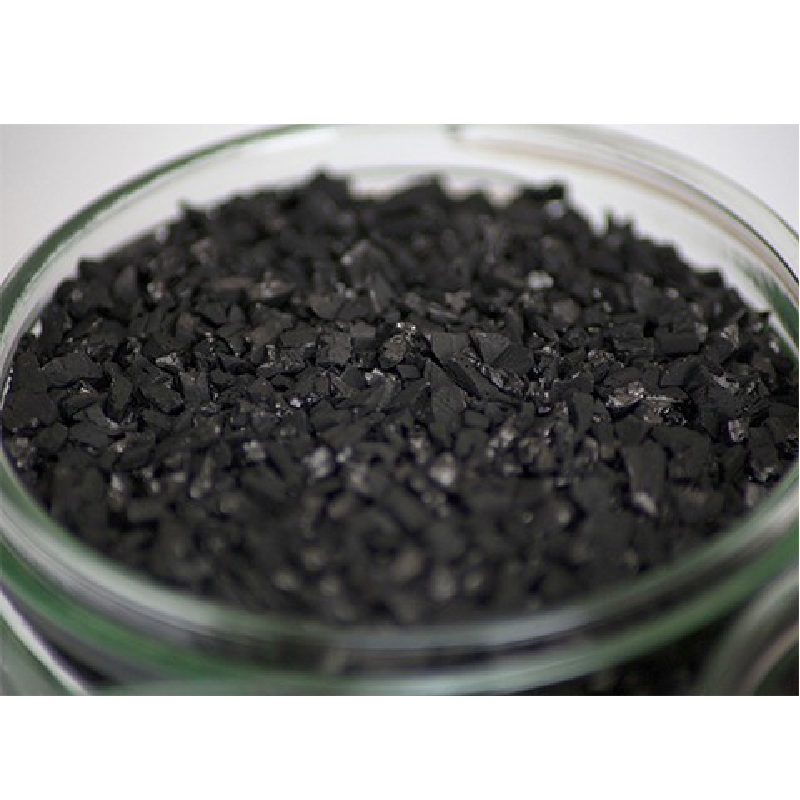
Beyond water and air filtration, activated powdered carbon plays a significant role in environmental protection efforts. It is employed in the remediation of contaminated sites, where pollutants adhere to the carbon surface, making it a vital tool in cleaning up hazardous waste sites and oil spills. The adsorption capacity of activated carbon helps to immobilize toxic substances, diminishing their bioavailability and reducing the risk to human health and the environment.
Activated Carbon in the Food Industry
Interestingly, activated powdered carbon has found applications in the food industry as well. It is used for decolorization, flavor enhancement, and removal of impurities in the production of various beverages, including juices and alcoholic drinks. Additionally, its use in pharmaceuticals for detoxification purposes showcases its diverse applications beyond traditional uses.
Challenges and Future Directions
Despite its many benefits, there are challenges associated with activated powdered carbon. The regeneration of used activated carbon can be complex and resource-intensive. Environmental concerns regarding the disposal and regeneration processes need to be addressed to optimize its sustainability.
Furthermore, research is ongoing to enhance the efficiency of activated carbon and to develop alternative materials with similar adsorptive properties. Innovations in nanotechnology and the use of biomass-derived carbons are promising avenues for future exploration, ensuring that activated powdered carbon remains relevant in a rapidly changing landscape.
Conclusion
Activated powdered carbon is a remarkable material with a wide range of applications across multiple industries. From water purification and air filtration to environmental protection and food processing, its unique properties make it an indispensable resource. As research continues to advance, the potential for activated carbon to address environmental and industrial challenges will undoubtedly grow, solidifying its place as a key component in a more sustainable future.
 Turkish
  English
  German
  Italian
  Japanese
  Korean
  Portuguese
  Russian
  Spanish
  Vietnamese