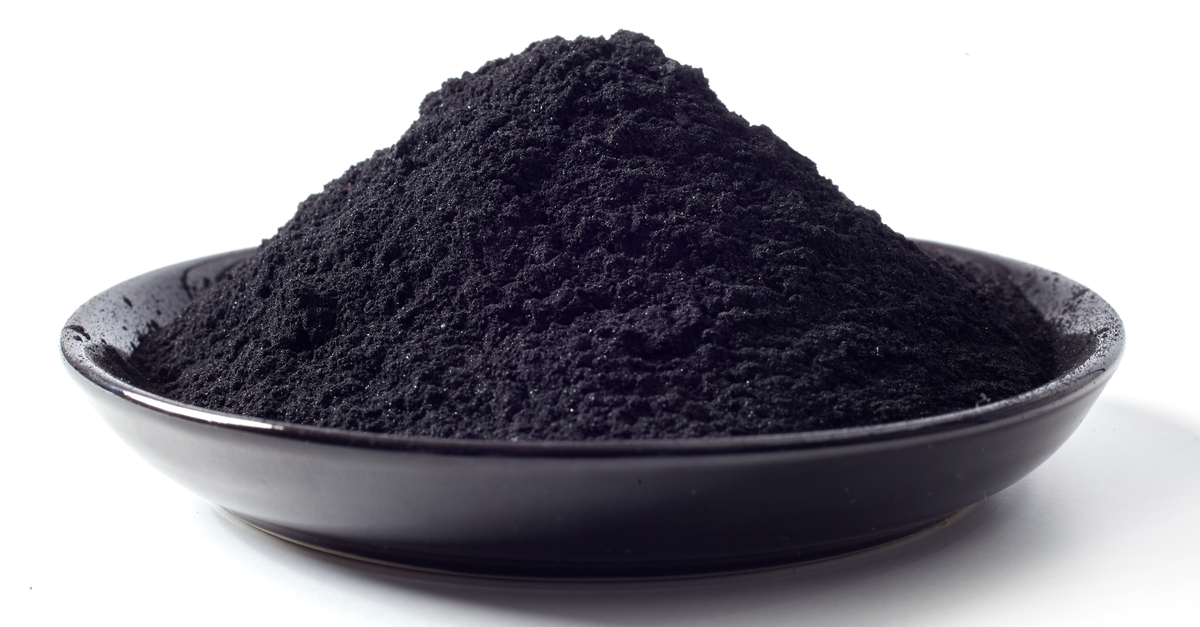
These particles are activated using chemical dehydration in the presence of phosphoric acid. This process helps create its macroporous structure, making it an excellent, top-quality product for both the food industry and the chemical and pharmaceutical industry.
Which sectors is it used in?
Chemically activated powdered carbon is used in the food sector and the chemical and pharmaceutical sector.
What are its applications?
In the food sector, chemically obtained powdered activated carbon is used for bleaching liquid products. It is used by manufacturers of wine, tartaric acid, oils, fruit juice, alcoholic beverages, sweets, glutamate and more.
In the chemical and pharmaceutical industry, it is also used for bleaching drugs, vitamins, phosphoric acid, glycerine and organic acid.
Thermally activated powdered carbon offers excellent performance in water purification, waste-water treatment, removal of dioxins from the air and elimination of PAH from oils.
One of the raw materials used for this type of carbon is coconut husks. They have a small pore structure that makes them the most suitable for the purification of well water and the elimination of odours and flavours.
Which sectors is it used in?
Thermally activated powdered carbon is used in the water-treatment, food, chemical and pharmaceutical sectors.
What are its applications?
This type of powdered activated carbon is used for water purification, treatment of waste water and waste water from water treatment; deodorisation and purification of oils and wine products in the food sector; in the metallurgic and galvanic industry, treatment of incineration gases; and medicinal carbons in the chemical and pharmaceutical industry
 Vietnamese
  English
  German
  Italian
  Japanese
  Korean
  Portuguese
  Russian
  Spanish
  Turkish