Feb . 03, 2025 04:42 Back to list
Granular Coal
Carbon tetrachloride, a compound once widely used in various industries, has a formula that is as straightforward as its past applications are complex CCl₄. This compound holds a unique place in industrial history due to its multifaceted uses, ranging from refrigerants to cleaning agents. Yet, it is its chemical formula that provides the foundation for understanding its properties and applications.
In terms of trustworthiness, the industrial legacy of carbon tetrachloride can guide future practices. Learning from CCl₄'s history, industries are now more equipped to evaluate the long-term impact of chemicals before widespread application. The current discourse around carbon tetrachloride calls for responsible usage in academic and niche industrial settings, ensuring minimal environmental footprints and safeguarding public health. Cross-disciplinary research continues to explore carbon tetrachloride’s potential with cautious optimism. In controlled environments, it offers insights into chemical dynamics, serving as a reference point for studying hydrocarbon behavior and advancing organic chemistry. It is a reminder of how past technologies can inform new methodologies and knowledge frameworks, provided they are used responsibly. Although carbon tetrachloride may no longer enjoy the ubiquity it once did, its formula, CCl₄, remains essential in certain specialized industrial sectors. Its presence in the scientific lexicon exemplifies a quintessential learning opportunity—a cornerstone for grasping chemical behaviors, the importance of structural chemistry, and the repercussions of neglecting environmental stewardship. For product specialists and industry veterans, comprehending the nuanced role of carbon tetrachloride involves acknowledging its dual nature as both a historical industrial agent and a catalyst for regulatory evolution. This duality underscores the ongoing dialogue between chemical innovation and environmental responsibility, ensuring that we continue to learn from CCl₄'s storied past. Ultimately, carbon tetrachloride is not just another chemical entity but a testament to the progress and occasional pitfalls of human ingenuity in the realm of chemical engineering. In the quest for greener, more sustainable methods, CCl₄’s formula-based simplicity serves as a guiding principle—strive for balance, prioritize safety, and respect the intricate tapestry of life that chemistry impacts.
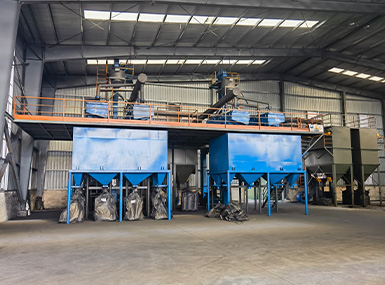

In terms of trustworthiness, the industrial legacy of carbon tetrachloride can guide future practices. Learning from CCl₄'s history, industries are now more equipped to evaluate the long-term impact of chemicals before widespread application. The current discourse around carbon tetrachloride calls for responsible usage in academic and niche industrial settings, ensuring minimal environmental footprints and safeguarding public health. Cross-disciplinary research continues to explore carbon tetrachloride’s potential with cautious optimism. In controlled environments, it offers insights into chemical dynamics, serving as a reference point for studying hydrocarbon behavior and advancing organic chemistry. It is a reminder of how past technologies can inform new methodologies and knowledge frameworks, provided they are used responsibly. Although carbon tetrachloride may no longer enjoy the ubiquity it once did, its formula, CCl₄, remains essential in certain specialized industrial sectors. Its presence in the scientific lexicon exemplifies a quintessential learning opportunity—a cornerstone for grasping chemical behaviors, the importance of structural chemistry, and the repercussions of neglecting environmental stewardship. For product specialists and industry veterans, comprehending the nuanced role of carbon tetrachloride involves acknowledging its dual nature as both a historical industrial agent and a catalyst for regulatory evolution. This duality underscores the ongoing dialogue between chemical innovation and environmental responsibility, ensuring that we continue to learn from CCl₄'s storied past. Ultimately, carbon tetrachloride is not just another chemical entity but a testament to the progress and occasional pitfalls of human ingenuity in the realm of chemical engineering. In the quest for greener, more sustainable methods, CCl₄’s formula-based simplicity serves as a guiding principle—strive for balance, prioritize safety, and respect the intricate tapestry of life that chemistry impacts.
Latest news
 Vietnamese
  English
  German
  Italian
  Japanese
  Korean
  Portuguese
  Russian
  Spanish
  Turkish